Having been a fifth-grade teacher and a Learning and Development (L&D) professional, I can tell you that every person, no matter their age, wants to make sure what they’re learning is worth their while. The main difference is that adults are usually better at hiding when they think your instruction isn’t matching their needs!
Still, the signs eventually show up in feedback surveys or when employees simply choose not to participate in the programs you offer.
How can you make learning more effective for your staff? The answer lies in creating personalized, adaptive experiences that integrate into their work.
As my colleagues and I reveal nine top Learning & Development priorities for 2026 [1], let’s take a look at how you can meet rising demands for greater customization.
 [1]From One-Size-Fits-All to One-Size-Fits-None: The Benefits of Personalized Learning
With increasing workloads and rapidly changing job roles, staff are feeling stretched thin. Professional development can be the key to unlocking their success when it’s delivered in a meaningful, curated way.
This customization includes tailoring content to a person’s interests, skillsets or needs. Typically, that means developing personalized learning paths that consider existing capabilities, competency gaps, growth goals and career aspirations.
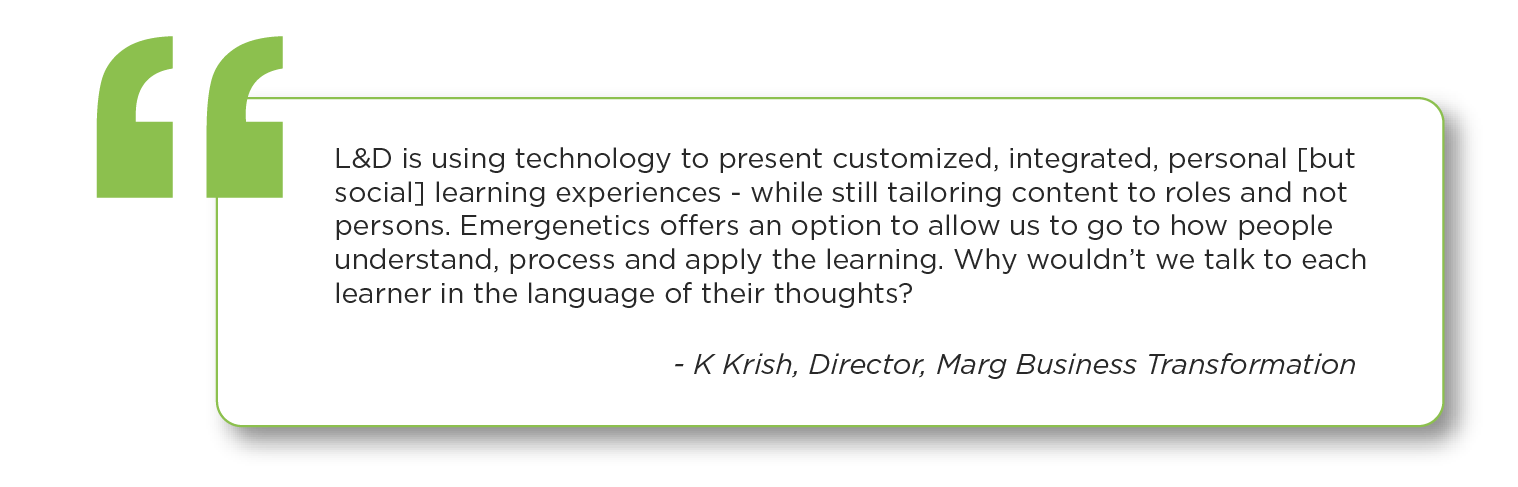
Customization also involves format by providing team members with choice and control over how and when they learn. By providing access to self-paced options and bite-sized modules, training folds more easily into the flow of work, making a significant impact on employee satisfaction and learning application.
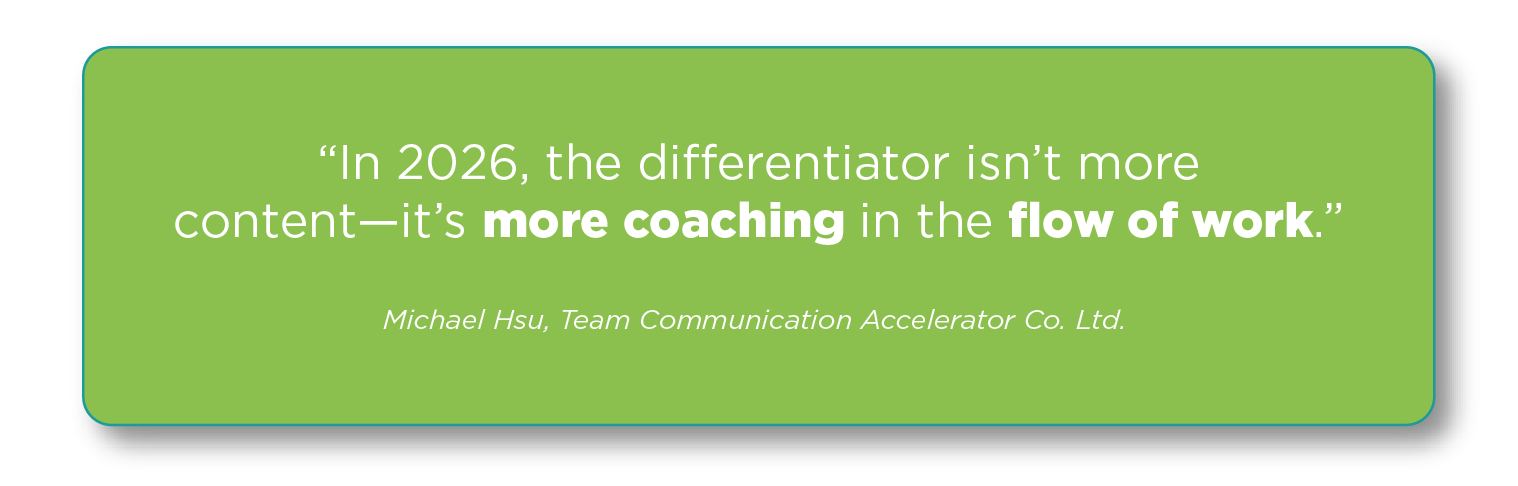 80% of workers [2] report that personalization is important in training. When people feel connected to what they are learning, it increases their motivation and employee engagement [3]. It also boosts knowledge retention [4], which ultimately helps businesses realize a return on their investments.
Brandon Hall Group found that 90% of organizations [5] believe that customization supports continuous development, and 93% agree that it helps staff reach their goals more efficiently.
Implementing Personalized Learning in the Workplace
With so many businesses recognizing the value of tailored training, you may be wondering: What’s holding organizations back?
The biggest obstacles I hear about include time and organizational alignment. It can feel overwhelming to even begin adapting development programs to every person in a company. There may also be a perception that a focus on personalized experiences will take away from the company’s business goals, because staff may not want to build the skills the corporation needs.
However, L&D teams can still advance organizational priorities while engaging the workforce. Even in mandatory training, simply delivering the content in a way that honors individual learning preferences can significantly enhance the impact of your initiatives.
To design effective personalized learning programs, be mindful to:
- Set clear goals aligned with business priorities and individual outcomes
- Offer training experiences that connect to the different ways people enjoy learning
- Create multiple modalities to respect personal time constraints and preferences
- Encourage real-time participant feedback to support continuous improvement
3 Questions to Cultivate Personalized Learning Paths
Whether you’re new to customization or looking for ideas to improve your existing offering, these three questions can strengthen your approach to professional development:
- What is our model for personalization?
- What training materials and content do we already have?
- What is one meaningful change we could make?
#1 – What is our model for personalization?
There are many ways to tailor training programs to your workforce’s learning preferences. At Emergenetics International, it’s no surprise that we design development experiences based on the seven Emergenetics Attributes.
 We make sure to honor the ways Analytical, Structural, Social and Conceptual Thinkers prefer to learn, and we deliver activities and modalities that speak to participants across the Expressiveness, Assertiveness and Flexibility spectrums [6]. It’s like having a helpful checklist to ensure your solutions will engage your audience.
 [7]Our Certification programs can empower you to begin using Emergenetics to shape employee training experiences. Even if you use a different methodology, be sure to clearly define what personalization means in your organization. A standard model will allow you to scale your approach far more effectively.
#2 – What training materials and content do we already have?
To build personalized learning experiences, begin by cataloging your existing systems and offerings. You may be surprised by how quickly you can repurpose your way to customization!
Start with your training programs. One workshop alone likely contains enough content to design a series of bite-sized, follow-up materials and reinforcements that can be delivered through a variety of modalities. Identify the essential skills the program is designed to develop, how employees can access the learning and how it’s delivered.
Next, evaluate your technology and platforms. Every year, I’m amazed by the new features that come out in Learning Management Systems and Learning Experience platforms, especially with the integration of artificial intelligence. Explore the features available to you and identify how they can contribute to a more adaptive experience.
#3 – What is one meaningful change we could make?
Consider your organization’s top priorities. What are the strategic needs of the business? What capabilities need to be elevated to achieve company goals? This information will help you focus on a particular skill-building area.
Then, evaluate existing programs that already support these priorities. Assess any data you have on those offerings, including engagement rates, post session behavior changes, job performance and staff feedback. Where do you have the biggest opportunity to boost impact and the learning experience?
Based on these needs, pick just one training OR one feature to improve. Guided by your model for personalization, build a plan for the first half of the year to adapt this content or feature to tailor your offerings to your staff’s preferred learning styles.
The Future of Learning Is Personal
The role of L&D is transforming. We have an opportunity to do more than deliver training. We can curate learning experiences that change the trajectory of our employees and our businesses. By modifying our solutions to the needs and learning styles of the workforce, we’re able to inspire lasting change, driving long-term success for individuals and organizations.
Discover how Thinking and Behavioral preferences can empower you to build more meaningful, effective learning experiences. Fill out the form below to speak with our team about Certification [7] today.
FAQs
1. What is personalized learning in the workplace?
Personalized learning is the practice of tailoring learning paths, content and formats to support each employee with consideration for their existing skillsets, goals, needs and roles.
2. How does AI enhance personalized learning?
AI can be a powerful partner in personalized learning. It can analyze data to identify skill gaps, recommend relevant training and customize delivery for different learners.
3. What are flexible learning solutions?
Flexible learning empowers employees to learn at their own pace and in different ways. Examples include eLearning, microlearning or mobile learning.
4. How can organizations measure the success of personalization?
L&D professionals can track and compare metrics, including engagement, learning retention, behavior changes, job performance and goal attainment over time.
5, Why is personalization important for employee retention?
Personalized learning demonstrates that organizations care about the growth and engagement of each employee, which can boost loyalty and tenure.